
Every year, thousands of people dream of traveling abroad for work, study, tourism, or permanent residency. Unfortunately, scammers take advantage of these dreams through a fake visa scam, leaving victims with financial losses, identity theft, and emotional stress. As visa demand continues to grow, so do fraudulent agencies, fake immigration consultants, and online criminals pretending to offer guaranteed visa approvals.
In this blog, you’ll learn how a fake visa scam works, the warning signs to watch for, and the steps you can take to protect yourself.
What Is a Fake Visa Scam?
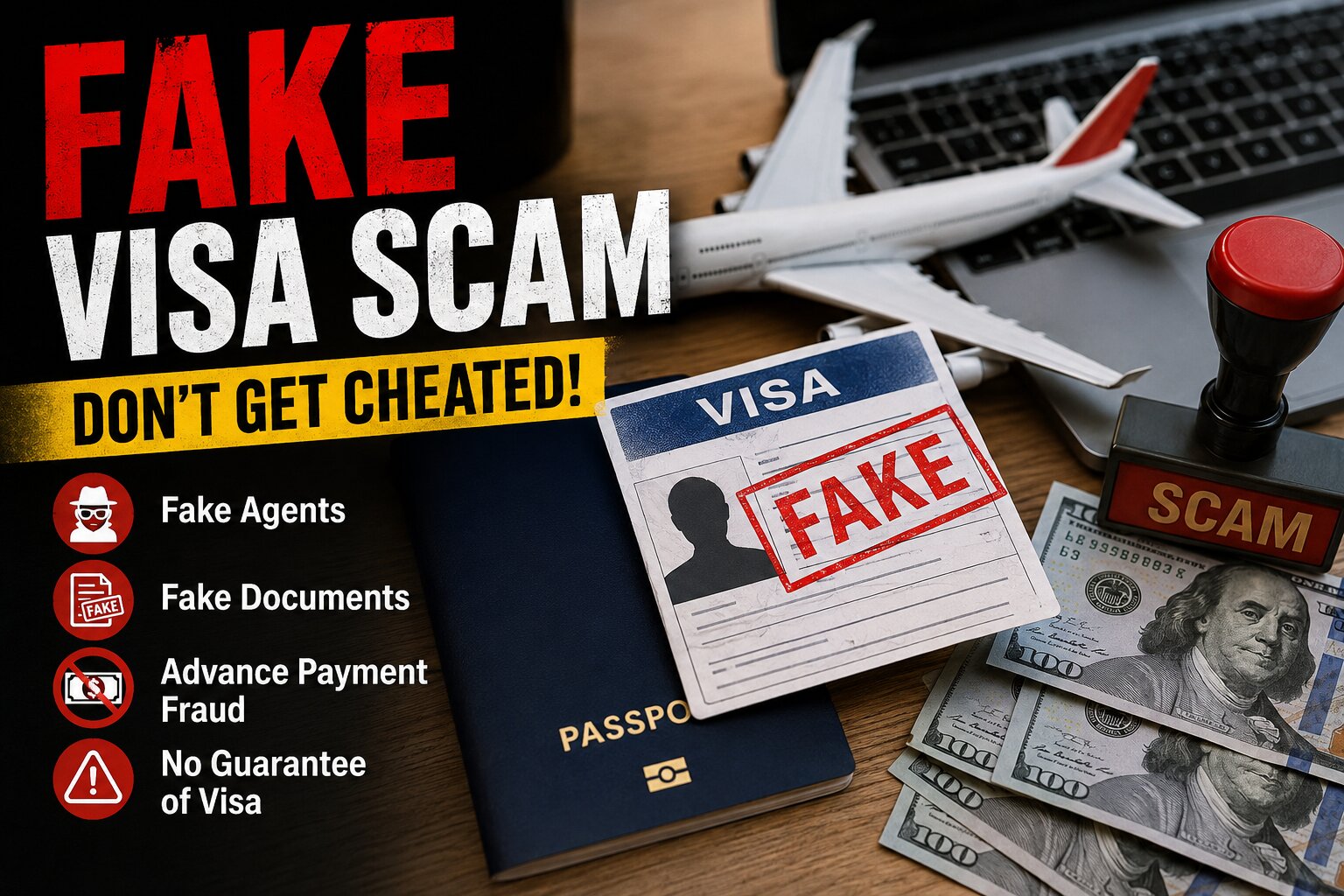
A fake visa scam is a type of fraud where criminals deceive people by offering fake visas, counterfeit immigration documents, or false promises of guaranteed visa approvals. These scammers often claim to have connections with embassies, immigration officers, or government officials to convince victims that their applications will be approved quickly.
Once the victim pays the requested fees, the scammer either disappears or provides forged documents that are rejected by immigration authorities.
Common Types of Fake Visa Scams
1. Fake Immigration Agencies
Fraudsters create professional-looking websites and social media pages claiming to be licensed immigration consultants. They may use fake customer reviews, copied government logos, and fabricated office addresses.
2. Guaranteed Visa Approval
No legitimate immigration consultant can guarantee a visa approval. If someone promises a “100% guaranteed visa,” it’s one of the biggest warning signs of a fake visa scam.
3. Fake Job Offer With Visa
Victims receive attractive overseas job offers requiring them to pay visa processing fees, work permits, medical examinations, or insurance charges upfront. After payment, communication stops.
4. Fake Embassy Emails
Scammers send emails that appear to come from government agencies or embassies asking applicants to pay additional visa fees through unofficial payment methods.
5. Counterfeit Visa Documents
Some scammers provide fake visa stickers or forged approval letters that look genuine. Victims often discover the fraud only when they arrive at the airport or submit the documents to immigration officials.
Warning Signs of a Fake Visa Scam
Watch out for these common red flags:
- Guaranteed visa approval regardless of eligibility.
- Requests for payment through cryptocurrency, gift cards, or personal bank accounts.
- Pressure to make immediate payments.
- Poor grammar or spelling in emails and official documents.
- No physical office or verifiable business registration.
- Refusal to provide official receipts.
- Requests for sensitive personal information without proper verification.
- Fake websites that closely resemble official government portals.
- Promises of unusually fast processing times.
If multiple warning signs appear, you may be dealing with a fake visa scam.
How to Protect Yourself
Verify the Agency
Always confirm whether the immigration consultant or travel agency is legally registered in your country. Check reviews from independent sources instead of relying solely on testimonials displayed on their website.
Use Official Government Websites
Apply for visas through official government immigration websites or authorized visa application centers whenever possible.
Never Pay Through Untraceable Methods
Avoid sending money through cryptocurrency, wire transfers to individuals, or gift cards. Legitimate organizations generally offer secure and traceable payment methods.
Verify Job Offers
If you’re applying for an overseas job, contact the employer directly using official contact information listed on their company website to confirm the offer.
Check Visa Documents Carefully
If someone provides a visa approval letter or visa sticker, verify it with the relevant embassy or immigration authority before making travel plans.
Protect Your Personal Information
Do not share your passport, banking information, or identification documents unless you’re certain you’re dealing with a legitimate organization.
What Should You Do If You Become a Victim?
If you believe you’ve been targeted by a fake visa scam:
- Stop sending additional payments immediately.
- Save all emails, receipts, contracts, and chat conversations.
- Contact your bank or payment provider to report the fraudulent transaction.
- Report the scam to your local cybercrime authorities.
- Notify the relevant embassy or immigration department.
- Monitor your financial accounts and credit reports for suspicious activity.
- Change passwords if you shared login credentials.
Quick reporting may improve the chances of recovering funds and can help prevent others from becoming victims.
Final Thoughts
A fake visa scam can cost victims thousands of dollars while delaying or completely destroying their travel, education, or career plans. Scammers often rely on urgency, false promises, and fake documents to gain trust.