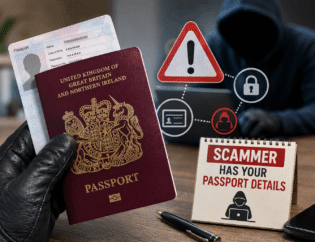

Scammers don’t look like scammers anymore. They don’t send poorly spelled emails from a “Nigerian prince” — they call from what looks like your bank’s real number, text you about a package you actually ordered, or message you on LinkedIn with a job offer that seems completely legitimate. Modern scams are polished, personalized, and built to bypass your instincts.
The good news: no matter how convincing a scam looks on the surface, it almost always shares the same underlying patterns. Learn to recognize these patterns, and you can catch a scam before it costs you money, time, or peace of mind.
Here are the red flags to watch for.
1. A Sense of Urgency or Pressure
Scammers want you to act before you have time to think. Watch for language like:
- “Your account will be suspended in 24 hours”
- “This offer expires in 10 minutes”
- “Act now or face legal consequences”
Legitimate organizations — banks, government agencies, real employers — rarely demand instant action. If a message is pushing you to skip your normal decision-making process, slow down. That pressure is the point.
What to do instead: Pause. Close the message. Contact the organization directly using a phone number or website you looked up yourself, not one provided in the message.
2. Unusual Payment Requests
This is one of the clearest giveaways of a scam. Be suspicious of any request to pay using:
- Gift cards (Amazon, Google Play, Steam, etc.)
- Cryptocurrency
- Wire transfers to an unfamiliar account
- Payment apps to a stranger for a “refund” or “deposit”
No legitimate business, government agency, or utility company will ever ask you to pay a bill, fine, or fee using gift cards. This method is popular with scammers because these payments are nearly impossible to trace or reverse.
What to do instead: If anyone asks for payment this way, stop the conversation immediately. This alone is enough to confirm a scam.
3. Too-Good-to-Be-True Offers
If it sounds too good to be true, it is. This includes:
- Winning a lottery or prize you never entered
- Investment opportunities promising guaranteed high returns
- A stranger offering to send you a large sum of money for a small “processing fee”
- Job offers with huge pay for minimal work, often paid before you’ve even interviewed
Scammers rely on excitement clouding judgment. A moment of “wow, really?” is exactly when to slow down and verify.
What to do instead: Research the offer independently. Search the company name plus the word “scam.” Ask a friend or family member for a second opinion before responding.
4. Spoofed Numbers and Email Addresses
Caller ID and email “from” fields can be faked. A call might show your bank’s real customer service number, and an email might appear to come from “support@amazon.com” when it doesn’t.
Look closely at:
- The full email address (not just the display name) — check for extra characters, misspellings, or unusual domains (e.g., amazon-support.net instead of amazon.com)
- Whether the number matches the one printed on your actual bank card or official documents
- Generic greetings like “Dear Customer” instead of your name
What to do instead: Never trust caller ID or a sender name alone. Hang up and call the number on the back of your card or the official website directly.
5. Unsolicited Contact from “Banks,” “Government Agencies,” or “Tech Support”
Real government agencies like the IRS or Social Security Administration do not typically call, text, or email you out of the blue demanding payment or personal information. The same goes for tech companies claiming your computer is infected, or banks asking you to “verify” your account details over the phone.
What to do instead: Assume unsolicited contact demanding personal information or payment is a scam until proven otherwise. Reach out to the organization yourself through verified channels.
6. Requests for Personal or Financial Information
Be cautious if someone asks for:
- Social Security numbers
- Full bank account or card numbers
- One-time passcodes or two-factor authentication codes
- Login credentials
Legitimate companies rarely ask for this information over the phone, by text, or by email — especially not a one-time passcode, which is a common tactic used to break into your accounts in real time.
What to do instead: Never share a one-time code with anyone, even if they claim to be from your bank’s fraud department. Banks will never ask for it.
Trust Your Gut — Then Verify
If something feels off, it probably is. The single best habit you can build is this: whenever you’re asked to act quickly, pay in an unusual way, or share sensitive information, stop and verify independently. Look up the organization’s official contact information yourself rather than using anything provided in the suspicious message or call.